An Informative Guide to Selecting the Best Color for Bird Cages
Choosing the right color for a bird cage can significantly affect the well-being and behavior of your pet birds. Birds are naturally drawn to vibrant colors, which can stimulate their curiosity and encourage interaction. While personal preference plays a role, understanding how color impacts your birds can help you make an informed decision.
Bright colors like yellow, green, and blue can create an inviting atmosphere, while neutral tones like white or black can provide a calming environment. Ultimately, the best color for your bird cage should cater to your birds’ needs and your home decor.
Disclosure: As an Amazon Associate I earn from qualifying purchases at no cost for you.
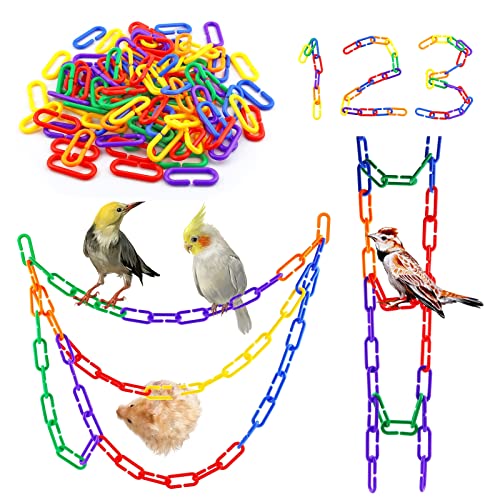
- Made of high quality durable plastic, safe and 100% non-toxic.
- Size: 36mmx15mm ( 1.42"x0.6" ), Thickness: approx 4mm/0.15". Mix of 6 colors, 100 pcs pl…
- Plastic hooks chain links, connect kids to a variety of early math skills, Build sorting…
Why This Matters
The color of a bird cage can influence your pet’s mood and activity levels. Bright colors can stimulate your bird’s senses, promoting playfulness and exploration. On the other hand, muted colors can create a soothing environment, especially for birds that may be easily stressed.
Additionally, the cage color can affect the visibility of your bird’s droppings and food spills, making it easier for you to maintain cleanliness. This is particularly important for the overall health of your birds, as a clean environment is essential for their well-being.
Key Benefits
Choosing the right color for your bird cage comes with several benefits:
- Encourages Activity: Bright colors can encourage birds to be more active and engaged with their surroundings.
- Enhances Visibility: Lighter colors can help you spot dirt and messes more easily, aiding in maintenance.
- Aesthetic Appeal: A visually appealing cage can enhance your home decor, making it a centerpiece in your living space.
- Comfort and Safety: Certain colors can provide a sense of security, helping to reduce stress in birds.
Common Drawbacks & Limitations
- Made of high quality durable plastic, safe and 100% non-toxic.
- Size: 36mmx15mm ( 1.42"x0.6" ), Thickness: approx 4mm/0.15". Mix of 6 colors, 100 pcs pl…
- Plastic hooks chain links, connect kids to a variety of early math skills, Build sorting…
While selecting a color for your bird cage offers various advantages, there are also some drawbacks to consider:
- Color Sensitivity: Some birds may be sensitive to certain colors, which could lead to stress or agitation.
- Heat Absorption: Dark-colored cages can absorb more heat, potentially leading to overheating in warm climates.
- Fading: Bright colors may fade over time due to exposure to sunlight and wear, diminishing their visual appeal.
- Cleaning Challenges: Dark colors may make it harder to see dirt or droppings, potentially leading to less frequent cleanups.
What to Look For (Buyer’s Checklist)
When choosing the best color for a bird cage, consider the following factors:
- Bird Species: Research the natural preferences of your bird species regarding colors.
- Room Lighting: Consider how natural and artificial lighting can affect the appearance of the cage color.
- Durability: Look for cages made with fade-resistant materials to maintain color vibrancy.
- Maintenance: Choose a color that will make it easy for you to spot and clean messes.
- Compatibility: Ensure the cage color complements your home decor for a cohesive look.
How to Choose for Your Situation
Selecting the ideal color for your bird cage depends on various factors unique to your situation. For a lively environment, opt for bright colors that encourage exploration and play. If your bird tends to be anxious, consider muted tones that provide a sense of security.
You may also want to think about the placement of the cage. If it will be in a well-lit area, lighter colors can reflect light and brighten the space. Conversely, if the cage is in a dim corner, a vibrant color can help it stand out.
Care, Safety, and Longevity Tips
To ensure the longevity of the cage and the safety of your birds, follow these tips:
- Regular Cleaning: Clean the cage regularly to prevent buildup of droppings and food particles, regardless of the color.
- Monitor Color Fading: Keep an eye on the color for any signs of fading due to sunlight exposure.
- Use Non-Toxic Materials: Ensure that the paint or finish used on the cage is safe for birds.
- Shield from Excess Heat: If using a dark-colored cage, place it in an area where it won’t overheat.
Recommended Picks
For those looking to enhance their bird cages with colorful accessories, consider the JIALEEY 100PCS Plastic Chain Links. These vibrant, multi-colored chains can be used to create engaging climbing structures for your birds. Their bright colors not only attract your pet’s attention but also allow you to customize the cage environment.
Another excellent choice is the Yaheetech 54″ Large Flight Bird Cage, available in a clean white color that complements any room while making it easy to spot messes. The spacious design allows for multiple birds, providing ample space for activity.
FAQ
Q: Are bright colors better for all types of birds?
A: Not necessarily. Different species have varying sensitivities to color, so it’s essential to understand your specific bird’s preferences.
Q: Can I paint my bird cage?
A: Yes, but ensure the paint is non-toxic and safe for birds. Avoid using oil-based paints.
Q: How often should I clean the cage?
A: Ideally, clean the cage daily to remove droppings and food particles, with a thorough cleaning weekly.
Q: Will the color of the cage affect my bird’s mood?
A: Yes, colors can influence a bird’s mood and behavior. Bright colors may stimulate activity, while softer hues may promote calmness.
Q: Can I change the cage color later on?
A: Yes, you can change the cage color by painting it or adding colorful accessories, as long as you ensure it’s safe for your birds.

- Large parrot cage: This spacious cage can house several small birds comfortably, suitabl…
- Safe & Secure: 1cm/ 3/8″ bar spacing is suitable and safe for small/medium birds or smal…
- Convenient maneuverability: The parrot cage comes with a stand that sits on four 360° sw…
Conclusion
Selecting the best color for your bird cage is an important decision that can impact your pet’s happiness and well-being. By considering factors such as the species of your bird, the environment, and your cleaning habits, you can choose a color that enhances both your home and your bird’s life. Whether you opt for vibrant colors or more subdued tones, the right choice will create a welcoming space for your feathered friend.
Popular Picks to Compare
- Made of high quality durable plastic, safe and 100% non-toxic.
- Size: 36mmx15mm ( 1.42"x0.6" ), Thickness: approx 4mm/0.15". Mix of 6 colors, 100 pcs pl…
- Plastic hooks chain links, connect kids to a variety of early math skills, Build sorting…

- Large parrot cage: This spacious cage can house several small birds comfortably, suitabl…
- Safe & Secure: 1cm/ 3/8″ bar spacing is suitable and safe for small/medium birds or smal…
- Convenient maneuverability: The parrot cage comes with a stand that sits on four 360° sw…
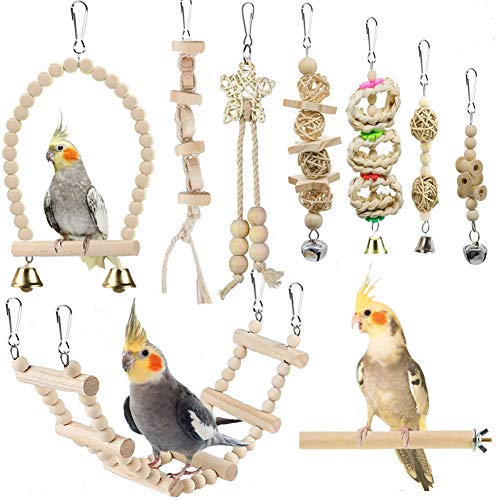
- MULTI FUNCTION BIRD TOYS: The bird toys include 9 different parrot toys to meet any pet …
- FOR VARIOUS BIRDS:Provides your lovely birds a fun elevated place to meet the natural ne…
- VERY SAFETY: These small interesting Bird toys are made of natural wood which is non-tox…

- Single pack bird cages feature a pull-out tray for easy cleaning
- Includes two plastic cups, two plastic perches
- Starter home for parakeets, canaries and other small birds

- [Universal Size] The size of L pet cage cover is 31”L x 22”W x 41”H, fits for most brand…
- [High-quality fabric] The birdcage cover is made of breathable, durable and non-toxic ny…
- [Unique design] The front of the large birdcage covers can be easily placed up and down …