Reasons Behind Your Bird’s Cage Climbing Behavior Explained
Birds climbing their cages is a common behavior that can stem from various motivations, including exercise, boredom, and natural instincts. When birds climb, they engage in physical activity that mimics their natural behavior in the wild, allowing them to explore their environment and maintain their physical health.
Disclosure: As an Amazon Associate I earn from qualifying purchases at no cost for you.
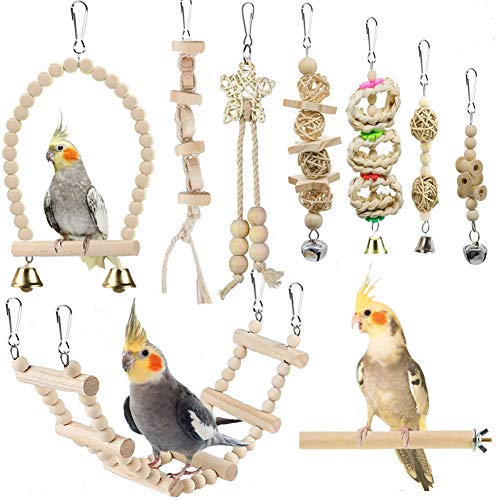
- MULTI FUNCTION BIRD TOYS: The bird toys include 9 different parrot toys to meet any pet …
- FOR VARIOUS BIRDS:Provides your lovely birds a fun elevated place to meet the natural ne…
- VERY SAFETY: These small interesting Bird toys are made of natural wood which is non-tox…
Understanding the reasons behind this behavior can help you provide a more enriching environment for your feathered friend. By addressing their needs through appropriate toys and climbing structures, you can ensure their well-being and happiness.
Why This Matters
Recognizing why your bird climbs its cage is crucial for their mental and physical health. Climbing is not just a form of exercise; it is also a way for birds to explore and interact with their surroundings. If they do not have adequate opportunities for climbing and play, they may become bored or stressed, leading to behavioral issues.
Providing the right environment can prevent these problems and enhance your bird’s quality of life. Understanding their climbing behavior also allows you to tailor their habitat to better meet their needs.
Key Benefits
Encouraging climbing behavior in your bird has several benefits. Firstly, it promotes physical fitness, helping to strengthen their muscles and improve coordination. Birds, especially species like parakeets and cockatiels, thrive on physical activity, which can prevent obesity and related health issues.
Secondly, climbing provides mental stimulation. Engaging with climbing toys can alleviate boredom, reducing the likelihood of destructive behaviors. Lastly, climbing mimics natural behaviors, allowing your bird to express instincts that are essential for their overall happiness.
Common Drawbacks & Limitations
- MULTI FUNCTION BIRD TOYS: The bird toys include 9 different parrot toys to meet any pet …
- FOR VARIOUS BIRDS:Provides your lovely birds a fun elevated place to meet the natural ne…
- VERY SAFETY: These small interesting Bird toys are made of natural wood which is non-tox…
While climbing is beneficial, there can be drawbacks. Not all cages are designed for climbing, and some birds may struggle if their space is limited. Cages that are too small or lacking in vertical space can lead to frustration and inactivity.
Additionally, not all climbing structures are safe for birds. Some toys may be made from harmful materials or have small parts that can pose choking hazards. It’s essential to monitor your bird’s interactions with their environment to ensure their safety.
What to Look For (Buyer’s Checklist)
When selecting climbing toys and accessories for your bird, consider the following:
- Material: Choose non-toxic, natural materials that are safe for your bird.
- Durability: Look for sturdy toys that can withstand chewing and rough play.
- Variety: Opt for a range of climbing structures, such as ladders, swings, and bridges, to keep your bird engaged.
- Ease of Installation: Ensure that the toys can be easily installed and removed from the cage.
- Size: Make sure the toys are appropriate for your bird’s size and species.
How to Choose for Your Situation
Selecting the right climbing accessories depends on your bird’s species, size, and personality. For smaller birds like budgerigars or finches, lightweight and compact toys like the Bird Parrot Swing Toys can be ideal. These toys provide a range of activities from climbing to chewing, ensuring your bird stays active.
For larger birds such as conures or cockatoos, consider sturdier options like the Hamiledyi Nature Wooden Bird Ladder. These larger structures offer ample space for climbing and jumping, catering to their need for exercise and exploration.
Care, Safety, and Longevity Tips
To ensure the safety and longevity of your bird’s climbing toys, regular maintenance is key. Clean toys frequently to prevent the buildup of droppings and bacteria. Inspect them regularly for wear and tear, replacing any damaged items promptly.
Additionally, rotate toys periodically to maintain your bird’s interest and to provide new challenges. This helps to keep their environment stimulating and reduces the likelihood of boredom-related behaviors.
Recommended Picks
When it comes to climbing toys, several options stand out. The Bird Parrot Swing Toys are excellent for their multi-functionality, offering various activities that cater to your bird’s natural instincts. The Hamiledyi Nature Wooden Bird Ladder is also a fantastic choice for its durability and engaging design, perfect for active birds.
For a more structured play environment, the PINVNBY Bird Playground provides a comprehensive setup that includes multiple perches and climbing options. Lastly, the BNOSDM Bird Perches Platform offers a sturdy resting area while encouraging climbing and play.
FAQ
Q1: Is it normal for my bird to climb the cage constantly?
A1: Yes, climbing is a natural behavior for birds, allowing them to explore and exercise.
Q2: How can I encourage my bird to climb more?
A2: Provide a variety of climbing toys and structures, and ensure they have enough space to move freely.
Q3: What types of climbing toys are best for small birds?
A3: Lightweight and compact toys like swings and small ladders are ideal for smaller species.
Q4: How do I know if a toy is safe for my bird?
A4: Look for toys made from non-toxic materials and check for any small parts that could pose a choking hazard.
Q5: Can climbing toys help with my bird’s boredom?
A5: Absolutely! Climbing toys provide mental and physical stimulation, reducing boredom and promoting a healthier lifestyle.

- Natural Wood Material: This nature wooden bird ladder toy is composed of natural wood, w…
- Birds Climbing Toys: Our birds wood bridge can be used as a stands for parrot climbing p…
- Decorative for cage: This parakeet ladder perch for cage is designed to your bird's acti…
Conclusion
Understanding your bird’s climbing behavior is essential for creating a stimulating and healthy habitat. By providing appropriate climbing structures and toys, you can enhance their quality of life while satisfying their natural instincts. Remember to consider their specific needs and regularly maintain their environment to ensure their happiness and well-being.
Popular Picks to Compare
- MULTI FUNCTION BIRD TOYS: The bird toys include 9 different parrot toys to meet any pet …
- FOR VARIOUS BIRDS:Provides your lovely birds a fun elevated place to meet the natural ne…
- VERY SAFETY: These small interesting Bird toys are made of natural wood which is non-tox…

- Natural Wood Material: This nature wooden bird ladder toy is composed of natural wood, w…
- Birds Climbing Toys: Our birds wood bridge can be used as a stands for parrot climbing p…
- Decorative for cage: This parakeet ladder perch for cage is designed to your bird's acti…

- Bird Standing Platform: Parrot perch platform features a grid design for play and rest. …
- Easy to Clean: BNOSDM bird stands for parrots is sturdy, durable, and stable. Bird cage …
- Perfect Size: This 4-piece stainless-steel bird set includes small (6.69''×4.72'') and b…

- 100% natural: The bird frame is made of 100% natural pine, and all parts are connected w…
- Perfect size: Play sand size is 9.44 inches tall, 8.66 inches long, 7.3 inches tall, 5.9…
- Handmade: Our game stands are completely handmade. The wood strips remain natural and pr…

- Multi-functional bird perch toy, including a perch platform, climbing ladder, and swing….
- The wide, flat perch allows your pet parrot to extend and rest it's feet in an extended …
- Bird perches come with screws and wing nuts for quick installation. Adapt to various cag…